

Congratulations and welcome to all of you who recently completed the Less Lawn More Life challenge. Woohoo! 🎉🎉🎉
Dear Design Your Wild, Would you post about your planting into lawn method? What type of lawn did you start with? I run an organization that provides free native garden/habitat creation coaching and more information on this method would be super helpful. I agree that mulched beds are ugly, but have found sheet mulching the best method so far. By planting densely, I can live with the wood mulch for a year.—Qay
What type of lawn, indeed. That is key. I have personally had success planting into both a scruffy, old New England lawn and a Florida bahiagrass lawn. But to answer your question more fully, I delved into all the major types of turf grasses.
Turf as a matrix for native plantings
If an area of your lawn is patchy or soil is visible between clumps of turf, it’s a good candidate to act as a matrix for native plantings. It can be difficult to identify turf species, but the best candidates are cool-season bunchgrasses like fine fescues and older tall fescues and perennial rye grasses; these grow in clumps that permit native seed to reach the ground and seedlings to grow through. Another sign that yours is a good candidate is the presence of common lawn weeds (clover, dandelions, spotted spurge, crab grass) or native plants (violets, spiderwort), which tell you their seeds are reaching soil. However, do not plant into a lawn with invasives that will outcompete your native plantings.
The turf matrix method works best with plantings at least three feet tall, like hedgerows or meadows or meadow gardens. These will eventually shade out the grass—and any turf that persists won’t mar the look of your plantings. In the meantime, the turf acts as a cover crop, covering the soil and shading tender native seedlings. Do not use the turf matrix method if you’re planting groundcovers or mounding shrubs less than two feet tall, because they will never shade the turf and will look unattractive with tall turf grasses growing among them.
The only solution is: More plants
If you determine your lawn and plantings are promising candidates for a turf matrix, then you can seed or transplant plugs or larger plants—or all three—directly into the turf. By the second year of a meadow planting, you can collect seed or move plants from within the meadow to fill bare areas. You should have a dense meadow in three years. In a hedgerow, I would wait a couple of years until your shrubs are creating a significant amount of shade, then plant native shade-loving groundcovers below them. Alternatively, you can plant taller sun-loving plants between your shrubs, knowing they will eventually be shaded out.
For direct seeding, mow as low as possible, rake to dislodge thatch, and hand-cast several times the recommended amount of seed mixed with sand in late fall or early winter. Or, as I do, get down on your hands and knees and press the seed-and-sand mix into areas of bare soil. I learned about seeding a meadow into grass from Owen Wormser, author of Lawns into Meadows. He recommends mowing your plantings to four-to-six inches the first year and each spring to allow sunlight to reach the meadow seedlings; however, we have not mown because we have also planted plugs and larger plants into our meadow gardens and the seedlings have done fine.
I like the turf matrix method because it is so easy! We have replaced about 6,000 square feet of turf with native plants in four years, using a variety of turf removal methods, and this is the easiest—and fast enough. We do not remove non-invasive weeds at all and we do not have invasives in the areas where we seeded into turf, as opposed to areas where we exposed the bare soil by solarizing. The secret is lots and lots of easy-to-establish plants (see list of meadow plants easy to grow by direct seeding). Biennial black-eyed Susans seem to be a miracle plant, by the way, establishing thickly and easily into the turf matrix in year two, preparing the way for longer-lived native perennials.
Shady turf matrixes
Many turf grasses struggle in shade, which makes it easier to establish shade-loving natives among them. However, shade-loving natives are more difficult to grow by direct seeding and take longer to establish, so I recommend combining planting into turf with deep natural mulch. Spread a thick (four inches or so) layer of leaves over the area in the fall, then planting plugs into it in the spring or following fall.
When a turf matrix doesn’t work
If you have a deep green, uniform lawn of modern turf cultivars, it is probably a poor candidate for a turf matrix. Dense stoloniferous or mat-forming turf grasses don’t allow native plant seeds to reach the soil and strangle or out-compete seedlings. In the north, such lawns might include cool-season Kentucky blue grass, creeping bentgrass, creeping fescue, and modern cultivars of tall fescue and perennial rye grass. In warm climates, poor candidates include St. Augustine, centipede, and carpetgrass. These turfs are better candidates for mechanical sod removal—as well as smothering with wood chips, the reader-favorite method. I hired a local landscaping company to remove part of my lawn this way and I appreciate the clean edge. (Note: Mechanical sod removal is not appropriate if you have suckering trees with roots near the surface, because the machinery can damage the roots and cause suckers to grow.)
Bermudagrass and zoysiagrass, dense turfgrasses with both stolons and rhizomes, also make poor matrixes and are most difficult to remove, often requiring a combination of methods over time—sheet mulching, solarization, and/or manual removal.
Happy planting!
Dear Design Your Wild, Having had stiltgrass take over my shady wildflower patches in the yard, I am wondering how to best restart. The areas are large, about 400 to 500 square feet at the edge of the woods. I mowed it a little too early (yesterday) instead of waiting till September, as it got too high for the mower. Also looking to reclaim more of the lawn for wildflowers, but afraid the stiltgrass will just claim that too.—Evelyn
Halfway through researching your question, I ran—literally, ran—to our new side meadow and started pulling out the stiltgrass growing among the native plants there. Selective removal by hand throughout the season proved the most effective non-chemical method for recruitment and reestablishment of native plants and overall species richness, according to a North Carolina study published in Invasive Plant Science and Management.
The encouraging news for you—and all of us with infestations—is that stiltgrass is an annual; its superpower is producing hundreds of seeds per plant, so if you pull or mow it before it seeds, you will eventually exhaust the existing seedbank and get it under control. I had previously thought, like you apparently, that it was important to mow stiltgrass just before it goes to seed. However, an Indiana study in the same journal found that mowing anytime after June is effective, with only a slight advantage from later mowing, so your recent mowing should work—and is a suitable solution for large areas where selectively hand-pulling stiltgrass around emerging natives is not an option.
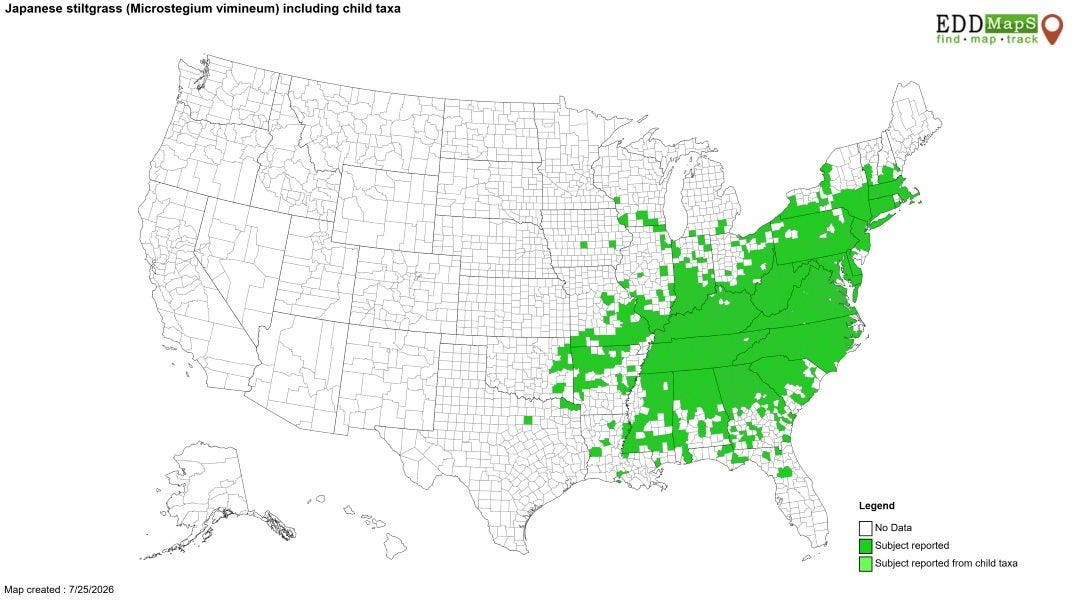
Finally, thickly covering stiltgrass with four to six inches of wood chips or leaf litter is another effective method, tested by New York State park biologists. An advantage of smothering is that it’s one-and-done, whereas mowing and pulling must be repeated for several years. On the other hand, pulling and, less so, mowing allow existing natives to thrive. So the best method for you will depend on how many native plants are growing among the stiltgrass, as well as your personal preference.
Which has me wondering: Why were your shade plantings so easily overtaken by stiltgrass? Were they spring ephemerals or other tender species? Were deer eating the natives and leaving the stiltgrass untouched, as they do? Or were typically slow-growing shade plants simply overtaken by stiltgrass already in the seedbank? Are there some that are spreading especially well that you can encourage or plant more?
Once you figure out why the stiltgrass is competing so effectively and choose a control method, then you can determine whether to extend your plantings now or wait until the stiltgrass is under control.
—Heather
P.S. I’m always looking for great questions to answer in this newsletter. Please submit yours in comments, below, or by replying to this email.
Why, How, Wow!
Why?
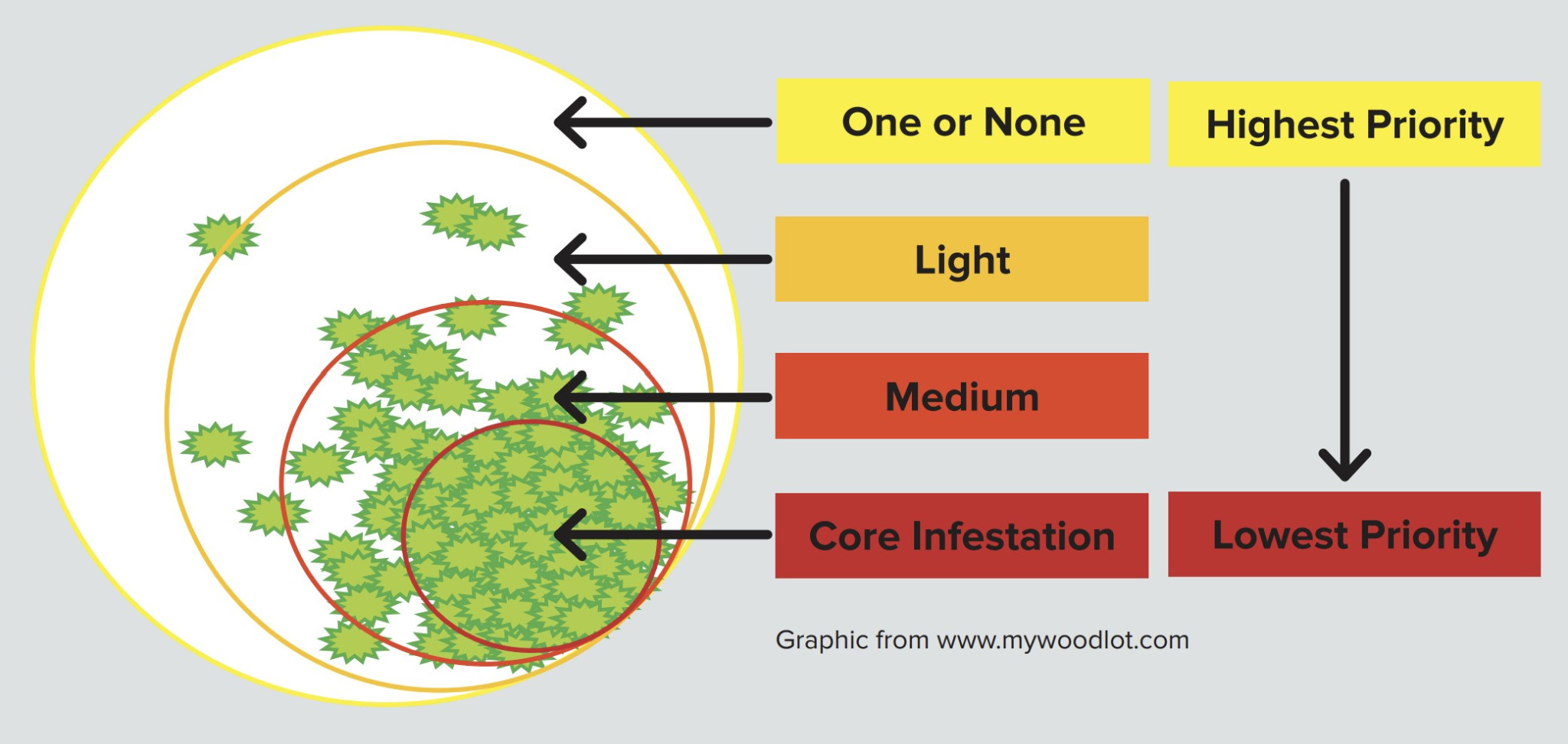
I’m especially concerned about the stiltgrass in our meadow because there’s not too much of it. I’m hopeful I can eliminate it with a combination of pulling it and seeding or planting more natives. On the other hand, we have a couple of bigger areas of English ivy that I plan to get around to sometime… It may seem counterintuitive, but this approach—tackling invasives in pristine areas first—is best practice.
How
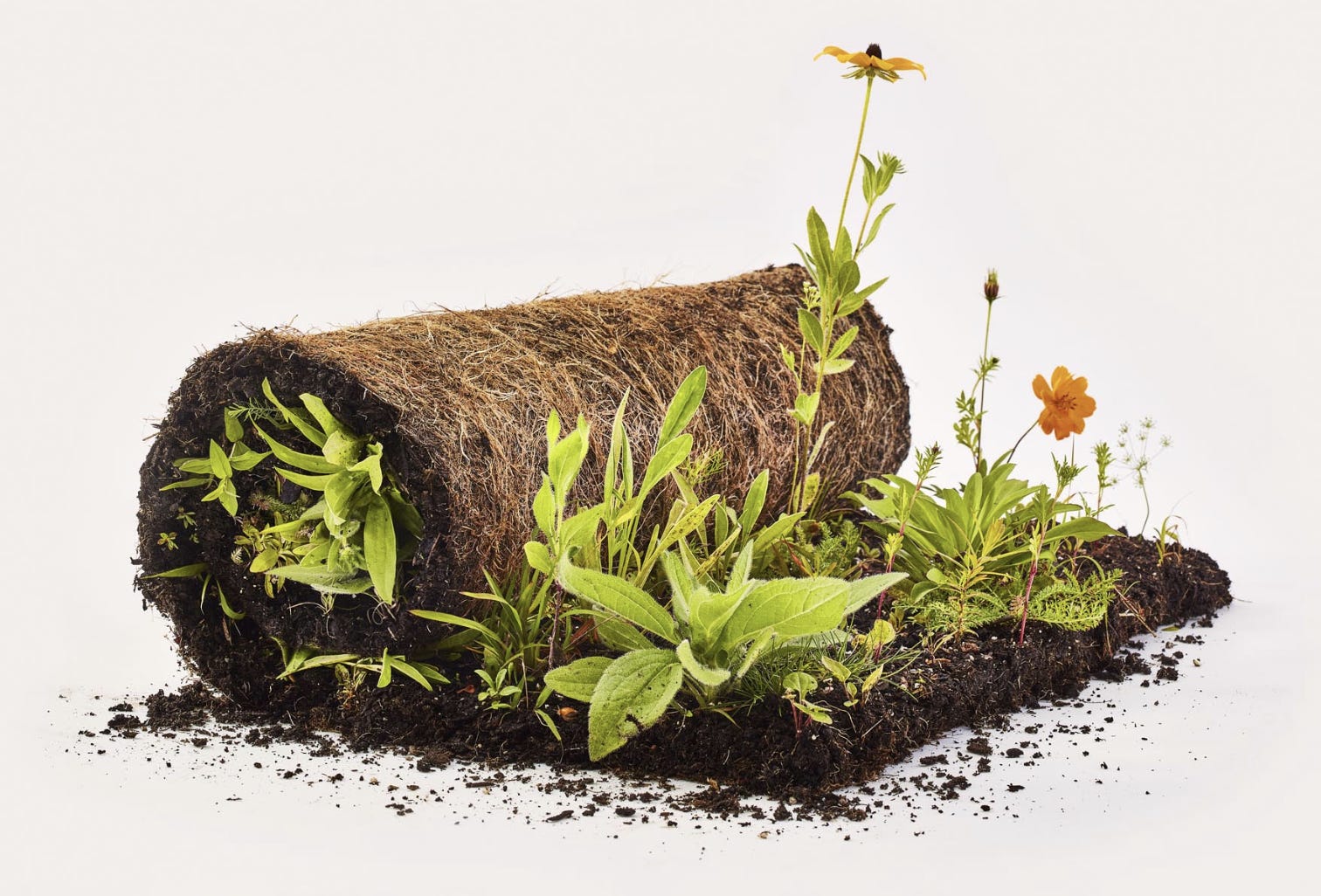
Native plant sod is an emerging technology for meadow installation that I’ve been watching for some time, so I was pleased to see the residential application pictured above and below. Installation requires turf removal. However, the native plant sod’s dense root structure covers the soil immediately, making it more difficult for invasives to seed into it compared to other planting methods.
Wildflower Sod™ transforms how meadows are established. Designed to preserve root integrity and accelerate site performance, it delivers immediate ground coverage, natural weed suppression, and a meaningful head start on flowering—bringing greater predictability and long-term resilience to meadow projects.—MeadowLab
Wow!
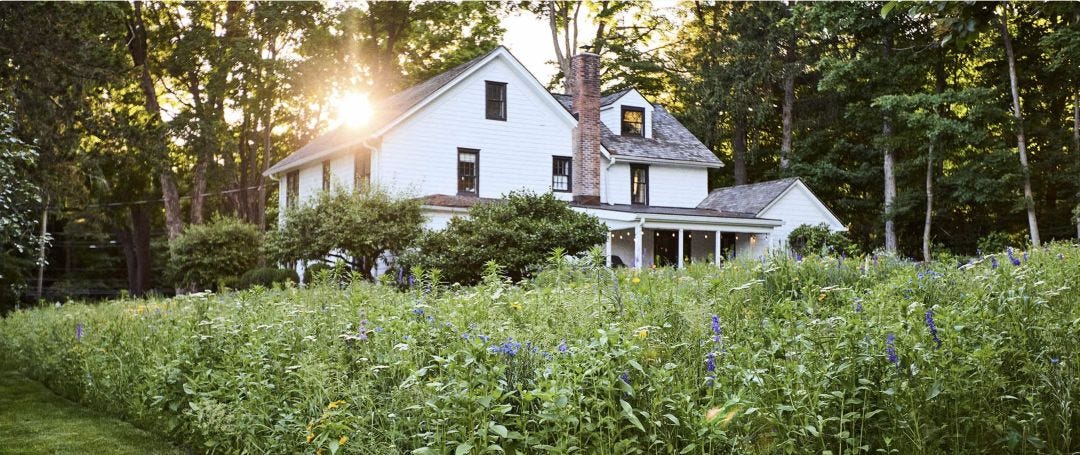
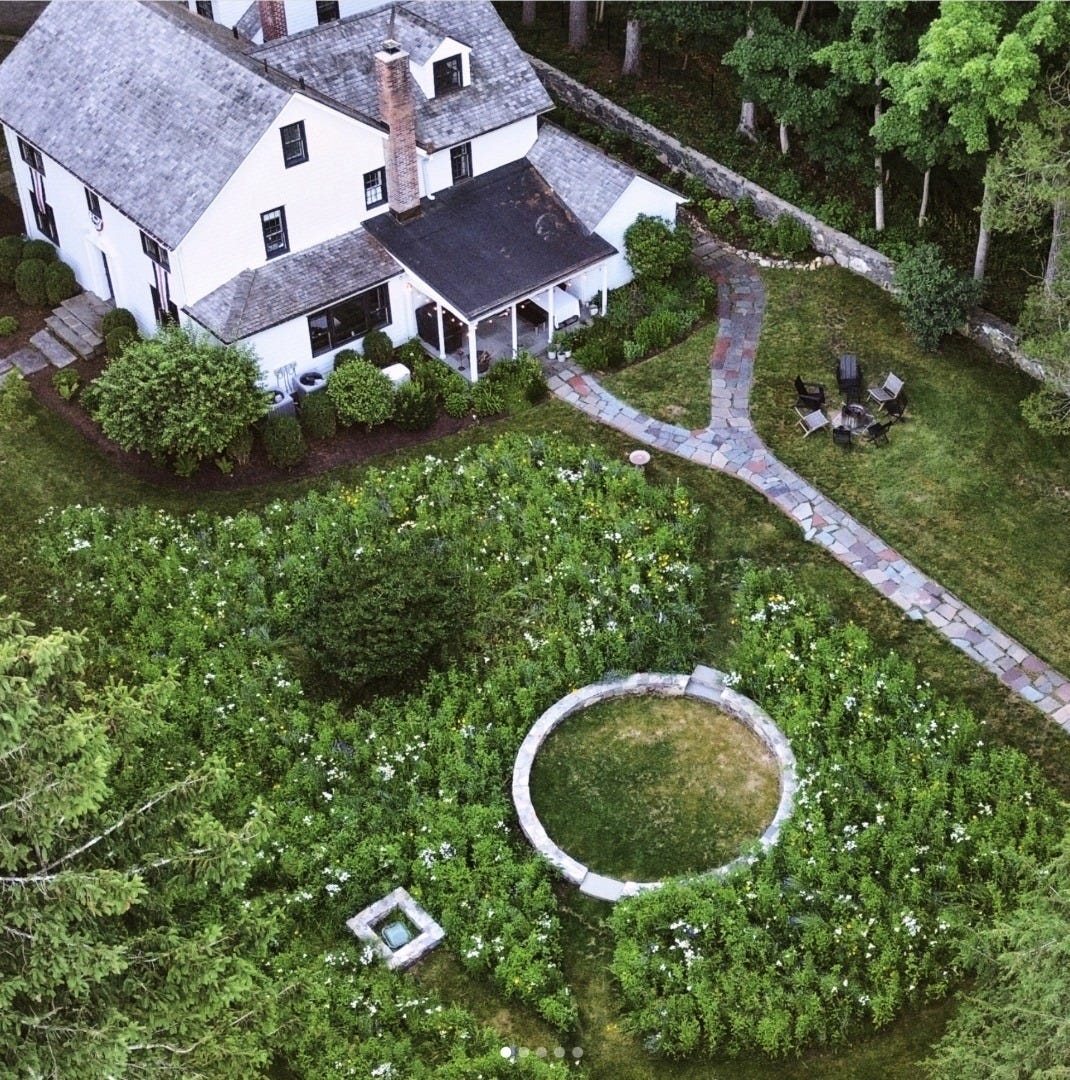
The meadow pictured below in June of this year was installed as sod the prior fall.
Although the clients wanted the meadow to cover most of the front lawn, the space also needed to remain active and usable. As the sunniest part of the property, the front yard played an important role in daily life and entertaining. The design therefore needed to balance planting goals with circulation, gathering, and outdoor dining activities.
To accomplish this, Natalie Crist of Natalie Crist Design designed a seating and dining area at the center of the meadow. A circular retaining wall addresses the grade change, with two steps down into the dining area and one step out on the opposite side. This created a sheltered, inhabitable space within the meadow planting.
A network of mown paths allows guests to move through the meadow and experience it from within. Rather than functioning only as a visual feature, the planting became an immersive environment shaped by movement, sound, texture, and seasonal change. Grasses move in the breeze, insects and birds animate the planting, and the dining area places people directly inside the meadow experience.—MeadowLab
Digging Deeper
Looking for East Coast natives to outcompete stiltgrass or other invasives? Check out Humane Gardener Nancy Lawson’s 20 favorite spreading natives.
I recently ordered two beautiful books to help me hone my identification skills—and continue to practice mindfulness in nature: The Bees in Your Backyard: A Guide to North America’s Bees and The Album of Plant Families: An Illustrated Exploration of Nature’s Beauty and Bounty.

So many people are dealing with stilt grass, this is great information!
My question is about hardscape- I want to add a patio in my backyard - I believe you’ve mentioned areas in the shapes of circles and rectangles help signal “I have arrived” to a “destination” within the yard/garden. What are your thoughts about squares or half circles? Besides the golden ratio, is there anything else to consider regarding the lay out? I have already dragged the table and chairs to the area to get a sense of it and mowed the grass around it to get a feel for what it might be - but it’s an expensive thing to get wrong.
Two years ago my husband and I planted a meadow of wildflowers in front of our solar array. We covered the grass with landscape fabric for 6 months before seeding. It has been amazing to see the flowers taking over. This year the black eyed susans are just amazing! We are now looking to do the same thing in our front lawn. Thank you for all of the helpful advice!