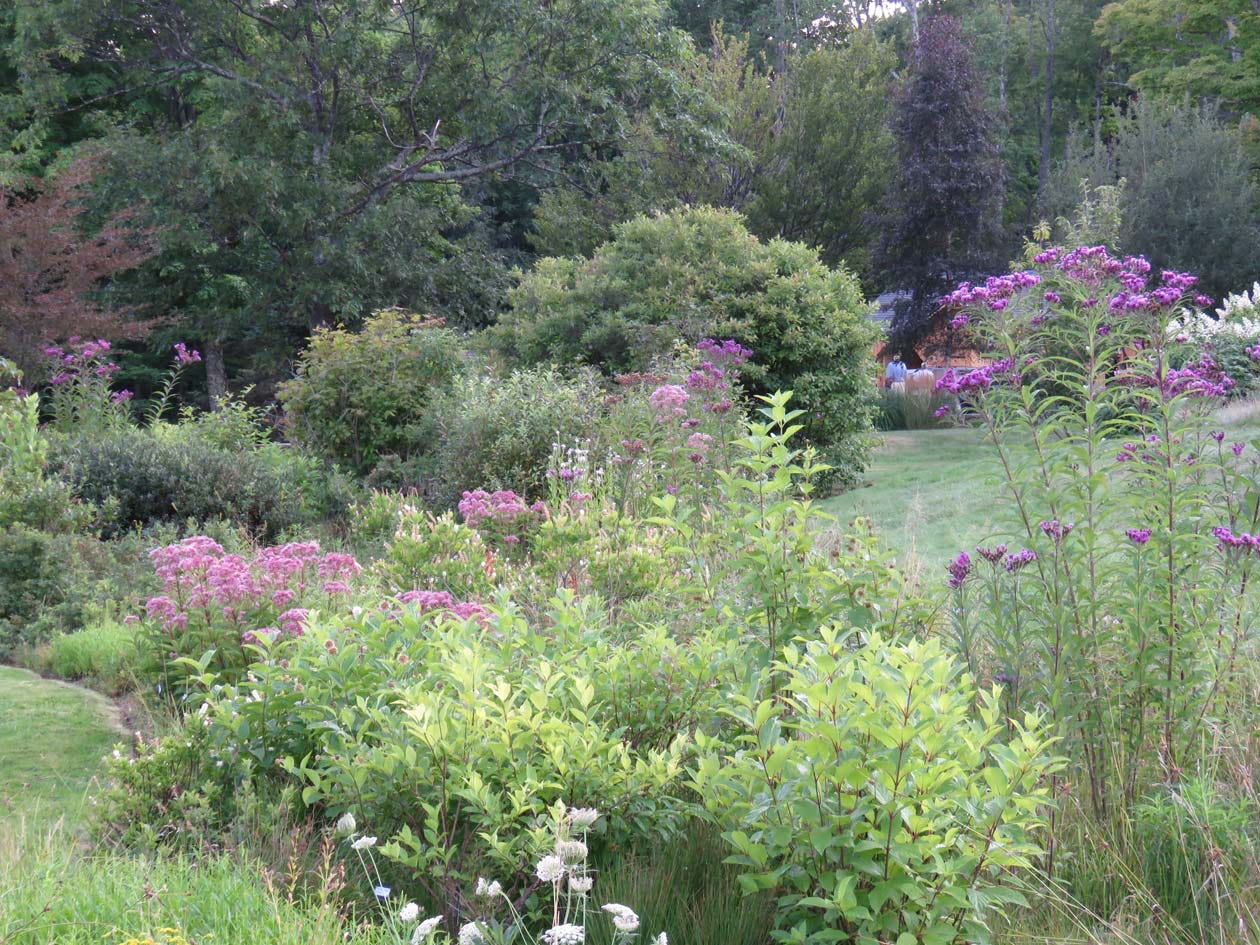
Dear Design Your Wild, How do you take care of these large patches of plants?—Design workshop participant
By thinking in terms of “patches of plants,” not individual plants or even “garden,” you’re halfway to the ecological care mindset: You are nurturing a community. It’s a light touch. Once roots have established after planting, your plant community will largely care for itself.
Caring for your native habitat
After the weather warms in spring to a consistent 50 degrees or more, I may chop or stomp (yes) dead perennial stalks that look unattractive, leaving non-invasive material on the ground, a technique called “chop and drop.” I aim to leave 18-inch stalks for native bees and other insects to use the following winter. Just as often, I leave the dead stalks entirely, knowing they will soon deteriorate or be hidden by new growth. You might find it easier to maintain a larger meadow by having a brush mower cut back everything—most importantly emerging shrubs and trees–every other spring.
In northern states mid-late April should be the earliest you consider cutting back perennials and clearing garden debris. Keep in mind that some bees don’t emerge until late May, so the longer you can tolerate your “messy” garden the better.—Xerces Society
During the growing season, I stroll around my yard with nippers, roughly weekly, and I edit. I remove any invasives I happen to see pop up—cutting the seeders and pulling the rhizotomous ones. (See The Latest on Weeds: Startling insight on why you’ve been removing weeds wrong your whole life). As my patches of native plants fill in, there are fewer invasives to cut.
I also edit native plants: If the woodland sunflowers obscure the sphinxes that guard our front door, I cut them back. If there’s a black-eyed Susan in my purple garden, I cut that to the ground, too. If a native shrub or tree seeds into a meadow area, I cut it back, too.
Someday, maybe, I’ll prune some shrubs to maintain their shapes, best done soon after flowering, as a rough rule. (For how to prune young trees, see To Prune or Not to Prune.) If I had a problem with too tall plants toppling over, I might Chelsea chop next season. I DON’T mulch, fertilize, add compost, weed, irrigate, deadhead, or do “fall cleanup.”
The Zen of hand watering
Most of the work of transforming a yard from turf to native habitat is removing invasives initially, seeding or installing lots and lots of plants, and then watering newly planted areas. Watering is key.
After killing dozens of plants from neglect (OK, hundreds, but who’s counting? … Oops, Pete’s counting and says it’s more like thousands), I have learned to embrace the Zen of hand watering new plantings. I water deeply the base of all new forbs, shrubs, and trees by hose once a week (see “How” below), often while listening to a podcast. To remember to water, I put a “task” in my calendar and move it forward a week when I complete it; if we get an inch of rain, I move the task forward and skip a week. If you don’t have time to hand water, then use a soaker hose, especially around the base of new trees and shrubs.
When you hand water weekly, you’re closely observing your establishing plant communities, so it’s a good time to remove some invasives. Don’t worry about eradication; think “constant gentle pressure,” in the words of restauranteur Danny Meyer.
You’ll also notice if critters are eating your plants and learn strategies to protect them. For example, I have stopped planting perennial plugs in Rhode Island because the rabbits love these short, tender young plants; we outmaneuver the bunnies by growing from seed—too many for them to keep up with—and planting taller, tougher plants. To protect young shrubs and trees from deer, we spray them with minty Deer Out (or use a motion-activated sprinkler) in summer and fence them in winter. (For more on the deer issue, see Keep Your Plants Safe.)
That’s it.
Dear Design Your Wild, I am adding a rock garden with a dry creek bed running through. What would you suggest putting down on the soil before adding the rocks? I don’t like landscape fabric but I also don’t want plants coming up between the rocks. The neighbors have a hill that rainwater rushes down, across the road, and into our front yard–like a river. We have been amending the soil and planting natives for four years, including a Carex matrix with 300 plugs. Very few are coming up.—Annette, Pittsburg, PA
Rock garden or rain garden? In rock gardens, people plant between sizable rocks or in crevices in exposed outcroppings. The plants are usually alpine or other low-growing species that evolved in similar conditions, often requiring little water and organic matter. If that’s what you’re interested in, you can learn more from the North American Rock Garden Society.
Rock gardens are NOT beds of rocks without plants—a perplexing trend for people who have given up on growing things. In areas like Pittsburgh, which gets more than the average 30 inches of rain per year, plants generally grow among and eventually cover the rocks, unless treated with herbicides, whether or not landscape fabric is installed. Beds of rocks are not a sustainable landscape solution in wet climates.
Rain garden basics
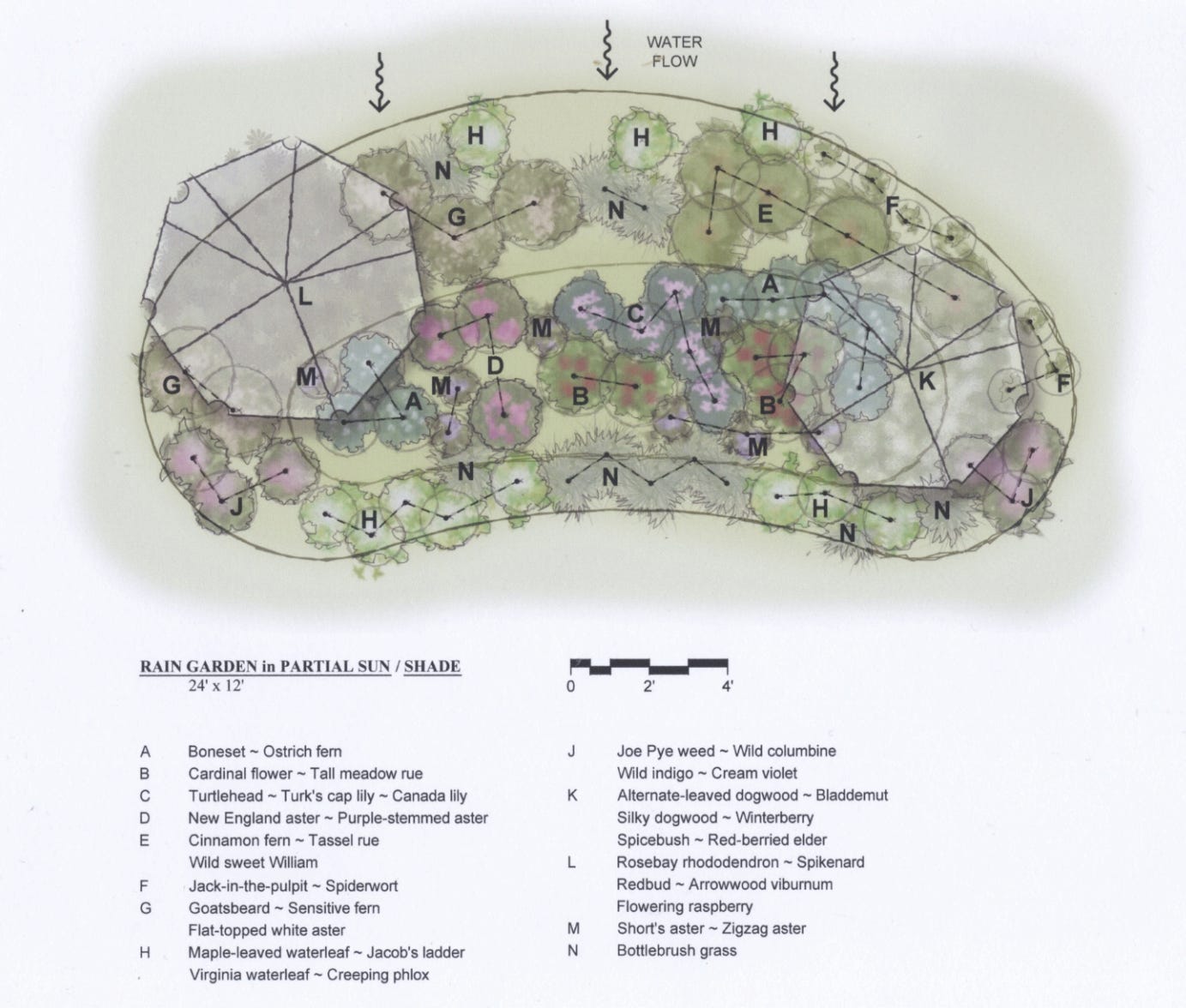
In any case, with all that stormwater runoff, what you really need is a rain garden. That means digging a basin (a ditch) to catch the rainwater coming into your property. Your rain garden might include a rocky dry creek bed where the water enters the basin, because—as you found—rushing water will indeed wash away plants and soil. In rain gardens, plants, not rocks, increase the amount of water that infiltrates into the soil.
Your native plant plugs washed away because the small, young plants were no match for the rushing water. In addition, the most common Carex (pensylvanica), doesn’t like too much water. In a rain garden, water will pool at the bottom, not flow, and plants like the ones below that like their feet wet will thrive.
For DIY rain garden construction details, watch This Old House’s How To Create a Rain Garden, but skip the landscape fabric. You can use horticultural vinegar to remove emerging plants from among the river rocks, if you like. But really, if plants eventually cover your dry creek bed, so much the better.
—Heather
Why, How, Wow!
Why? Rainwater, good; stormwater runoff, bad
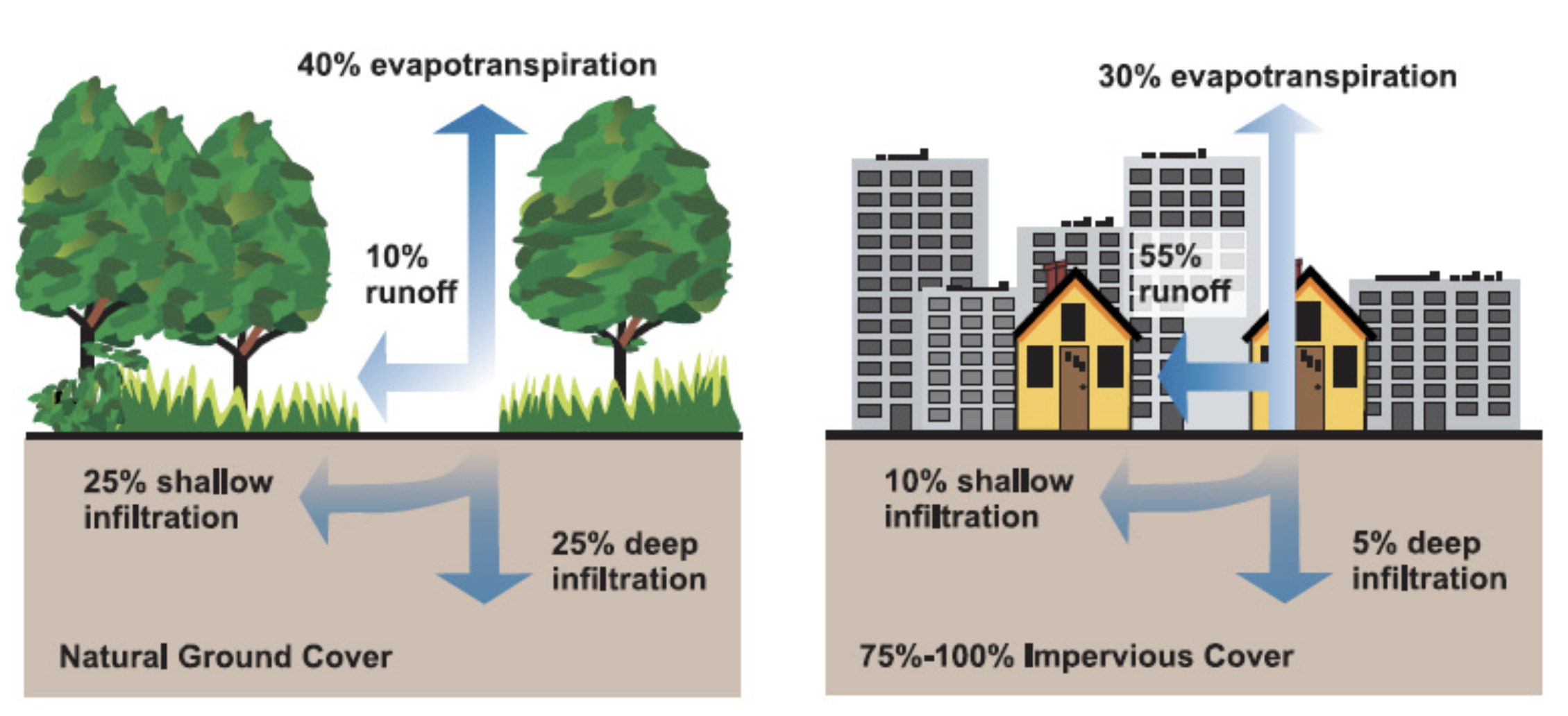
Have you ever wondered how much water falls onto your yard during a rainstorm? For example, an inch of rain on an average 13,000 lot produces 8,000 gallons of water—more if you’re receiving runoff from the road or other lots, like my reader. That’s almost a month of indoor water for an average household.
In naturally vegetated landscapes, most of this stormwater absorbs into the soil or evaporates or is transpired by plants, leaving little runoff. In cities, where much of the ground is covered by impervious surfaces—buildings, roads, parking lots, etc.—more than half the total rainfall may become runoff, causing a raft of problems. Lawns contribute to the runoff problem, because they absorb one tenth as much rainwater as natural vegetation, according to the EPA.
Stormwater is a significant source of water pollution and a public health concern for communities across the country. Many have been experiencing stormwater impacts from climate change that have led to flooding, water quality impairments, and soil erosion, with low-income and underserved communities especially feeling the harmful effects.—EPA Report to Congress
Replacing lawn with native plants can solve water incursion problems that are commonly addressed with expensive, professional installations like French drains. Rain gardens can control more extreme runoff challenges.
How: Watering after planting
The roots of newly installed plants establish most successfully when watered regularly and deeply. Once they are established, stop watering please—they’ll thrive and you’ll be protecting our depleting aquifers.
If you receive four inches or more of rain in a month, it’s likely you can avoid supplemental watering during that period, so it’s helpful to time plantings based on expected rainfall, which you can find by searching your location and then scrolling to “Average Monthly Rainfall” at weatherspark.com.
Here are detailed watering guidelines from my friends at Bee Good Landscape in Gainesville, Florida, based on nationally-relevant research by Edward Gilman and others at the University of Florida.
All plants
Water in the morning, before 10 a.m..
Water the base of the plant. Leaves and stems do not need to be watered, so concentrate water on the roots. With this in mind, do not use a sprinkler, but direct water by hand or use a soaker or temporary micro irrigation system.
Do not water if it has rained half an inch within the last day or if the soil around the root ball is saturated.
Monitor for signs of drought stress like wilting or yellowing leaves, and water before leaves start to fall. This should be continued even after establishment in cases of severe drought.
Establishment can take up to a year or more for trees and shrubs. Larger trees can need supplemental watering for up to 3 years. Once your plants no longer wilt without watering, they are considered established.
Trees
<2 inch diameter trunk, 2-3 gallons (e.g., one minute at full pressure on “shower” setting) daily for 2 weeks; every other day for two months; then weekly until establishment
>2-4 inch diameter trunk, 4-12 gallons daily for one month, every other day for three months, weekly until established
>4” diameter trunk, >12 gallons daily for six weeks, every other day for five months, weekly until established
In cooler hardiness zones, in all but the driest years, irrigation on spring and summer planted trees can usually be discontinued once fall color has begun; irrigate fall planted trees several times and continue until foliage has dropped from the deciduous trees in the region. In warmer climates, irrigate fall and winter planted trees as described for the spring and summer planted trees.—University of Florida
Shrubs
Frequent shallow waterings are better for establishment than less frequent, deeper waterings. Consistency is key!
As little as one gallon (e.g., 20 seconds at full pressure on “shower” setting) every eight days may be sufficient to establish a shrub.
Shrubs planted under existing trees are competing with an established root system and require extra water.
More frequent watering may increase the vitality of your shrubs.
Herbaceous plants
Check the soil moisture by sticking a finger half an inch into the soil. If the soil is dry, water your newly planted plants. (Fall-seeded plants do not require watering except in extreme drought.)
Allow soil to dry out between waterings.
Look for signs of drought stress like wilting, and water as necessary. It is normal for plants to wilt in the heat of the day, but if they do not perk up in the evening, they are not receiving sufficient water.
Wow! Made in the shade
This month’s Gardens Illustrated, the UK’s leading horticulture magazine, features the Garden in the Woods in Massachusetts. Such shade gardens shine in spring, when many native shrubs flower and ephemeral wildflowers rush to bloom before the canopy above them leafs out. Director of horticulture Uli Lorimer told writer Matt Collins,
It’s that marriage of horticulture and botany together that excites me the most about this garden.—Uli Lorimer
Uli also named his top eight woodland plants, native to the northeast (and, often, beyond):
Yellow trillium (Trillium luteum)
Great white trillium (Trillium grandiflorum)
Creeping dogwood (Cornus canadensis)—a fabulous spreading groundcover in northern states
Purple pitcher plant (Sarracenia purpurea)
Red columbine (Aquilegia canadensis)
Wild strawberry (Fragaria virginiana)--another fabulous spreading groundcover, native almost nationwide
Yellow lady’s slipper (Cypripedium parviflorum)
Flowering dogwood (Cornus florida)
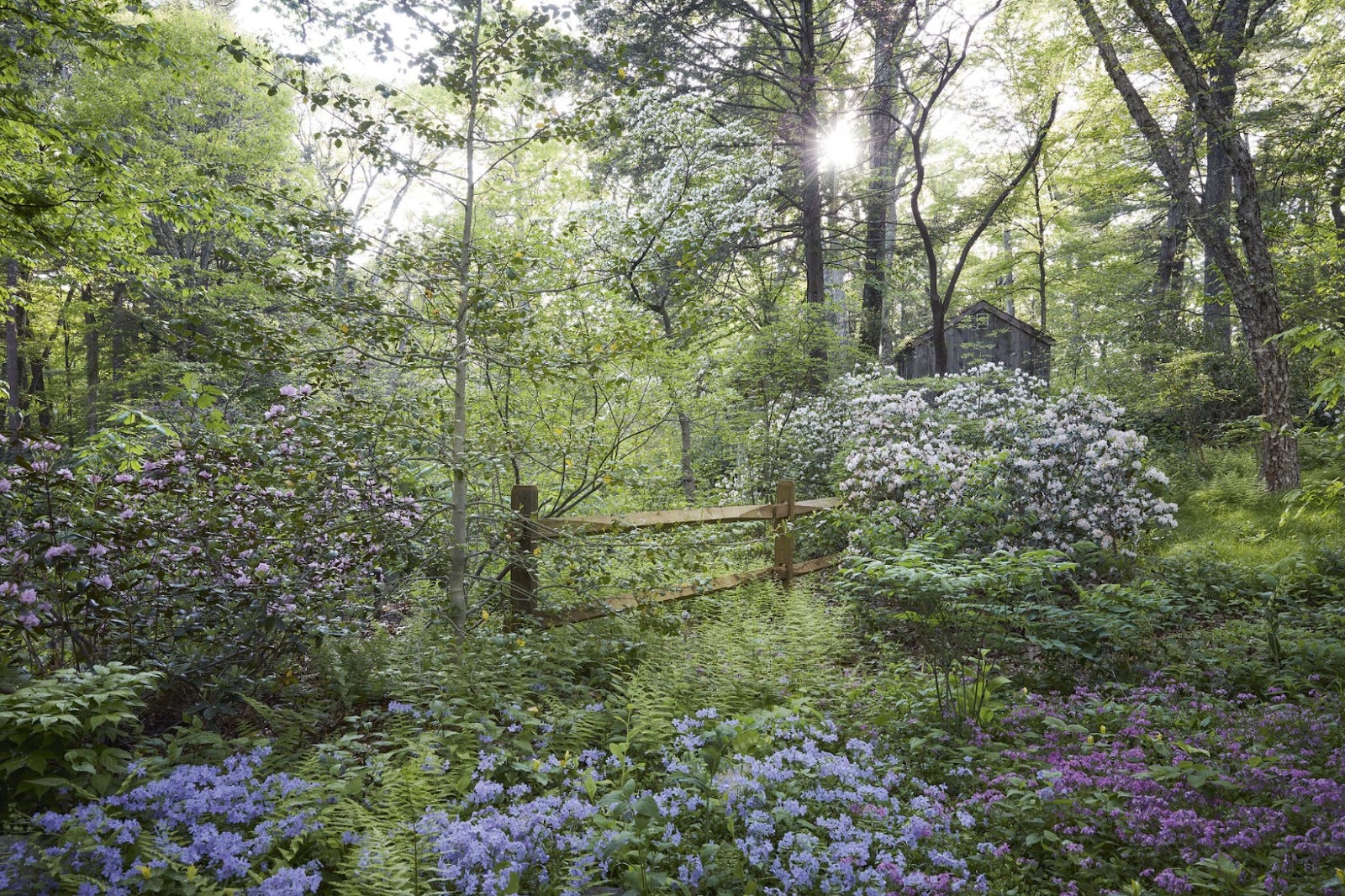
Garden in the Woods provides niche conditions for a range of native plants, from low drifts of colourful Phlox divaricata ‘Blue Moon’ and P. stolonifera ‘Sherwood Purple,’ and clumps of yellow Trillium luteum to flowering shrubs including American holly (Ilex opaca) and Carolina rhododendron (Rhododendron minus).—Gardens Illustrated
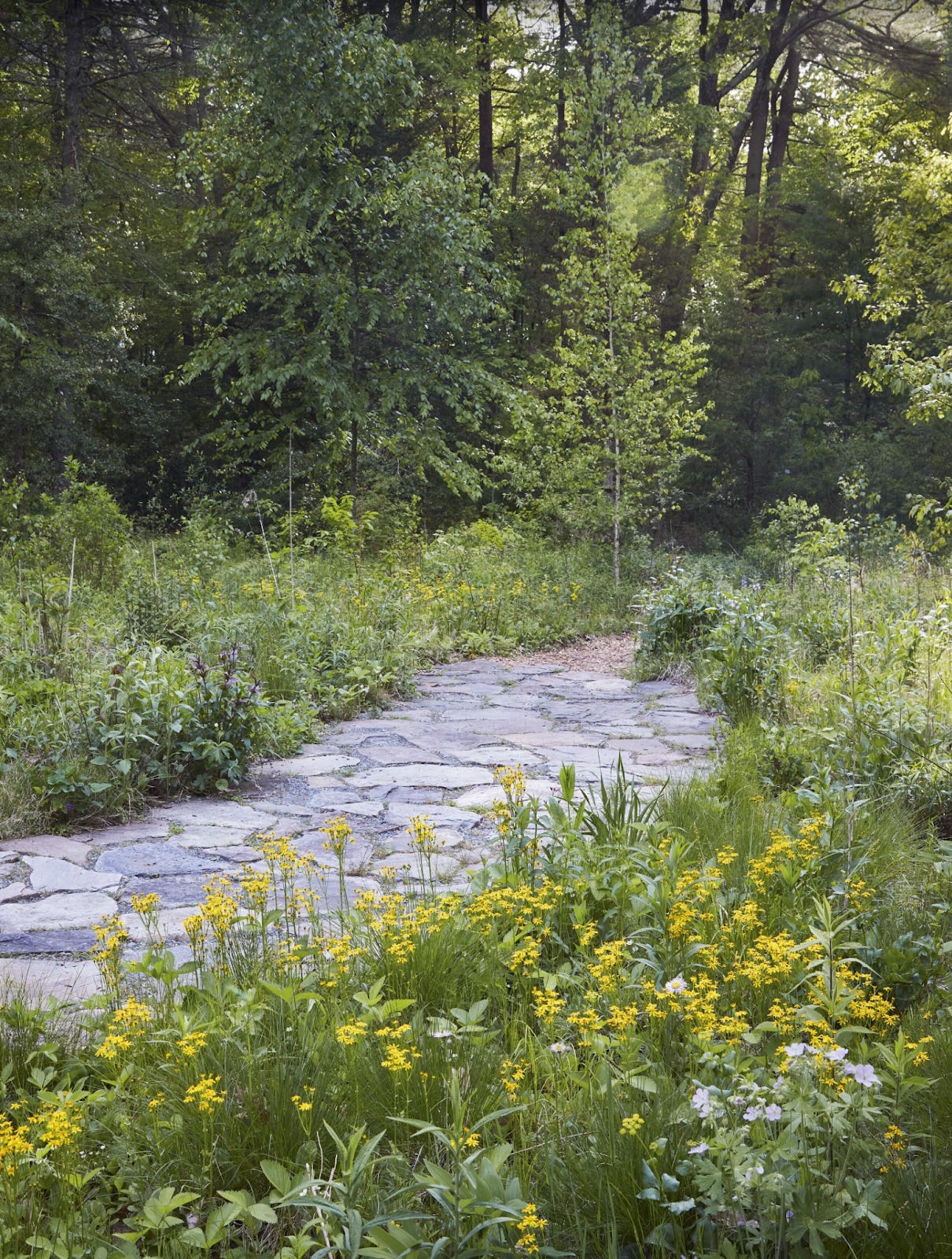
Yellow roundleaf ragwort (Packera obovata) and pink Geranium maculatum edge a stretch of the mile-long network of trails that weave through the garden.—Gardens Illustrated
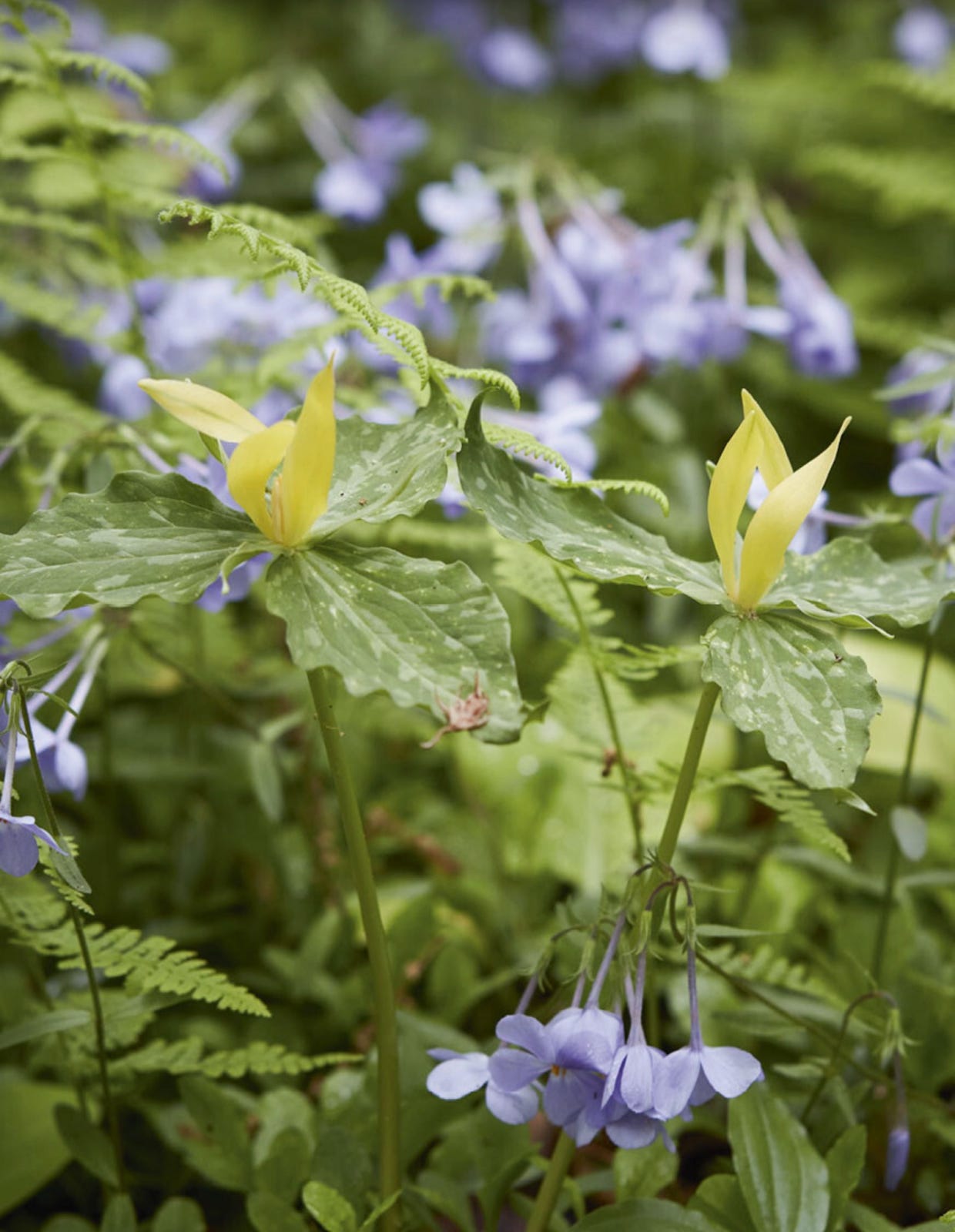
Trillium luteum. The luminous yet refined yellow trillium (pictured here with blue Phlox divaricata) is citrus-scented and ephemeral, retreating underground after spring.—Gardens Illustrated
Digging Deeper
An analysis of data from 75 countries confirms that nature connectedness predicts well-being (PsyPost)
Widely used pesticides linked to 150% higher cancer risk (SciTechDaily)
In Norway, a spruce and a spider get a voice in a multispecies assembly (Guardian)